More

    Astrophotography & Amateur Astronomy — Done Right

    Practical astronomy guides, astrophotography fundamentals, and precision calculators built for amateurs who care about real results — not hype.

    Mission Statement

    At Stellar Nomads, our mission is to make astrophotography and amateur astronomy understandable, precise, and accessible—without oversimplifying the science or inflating the hype. We exist to bridge the gap between curiosity and competence by teaching the fundamentals that actually matter: optics, sampling, focus, signal-to-noise ratio, seeing, and data quality.

    We focus on physics-based explanations, practical workflows, and purpose-built astronomy calculators that help amateur astronomers make informed decisions about their equipment, imaging strategy, and processing pipeline. Every guide, tool, and dataset is designed to reduce guesswork, prevent costly mistakes, and accelerate real learning.

    Stellar Nomads is built for beginners who want clarity, and for experienced astrophotographers who value rigor. Our commitment is simple: accuracy over trends, understanding over shortcuts, and tools that respect the intelligence of the amateur astronomer.

    Join Us, Astronomy is All About Sharing !

    To be updated with all the latest news, offers and special announcements.

    By signing up you agree to receive email newsletters, notifications and alerts from Stellar Nomads. You can unsubscribe at any time.

    The Giants of Astronomy

    APODS

    Tutorials

    Data Sets

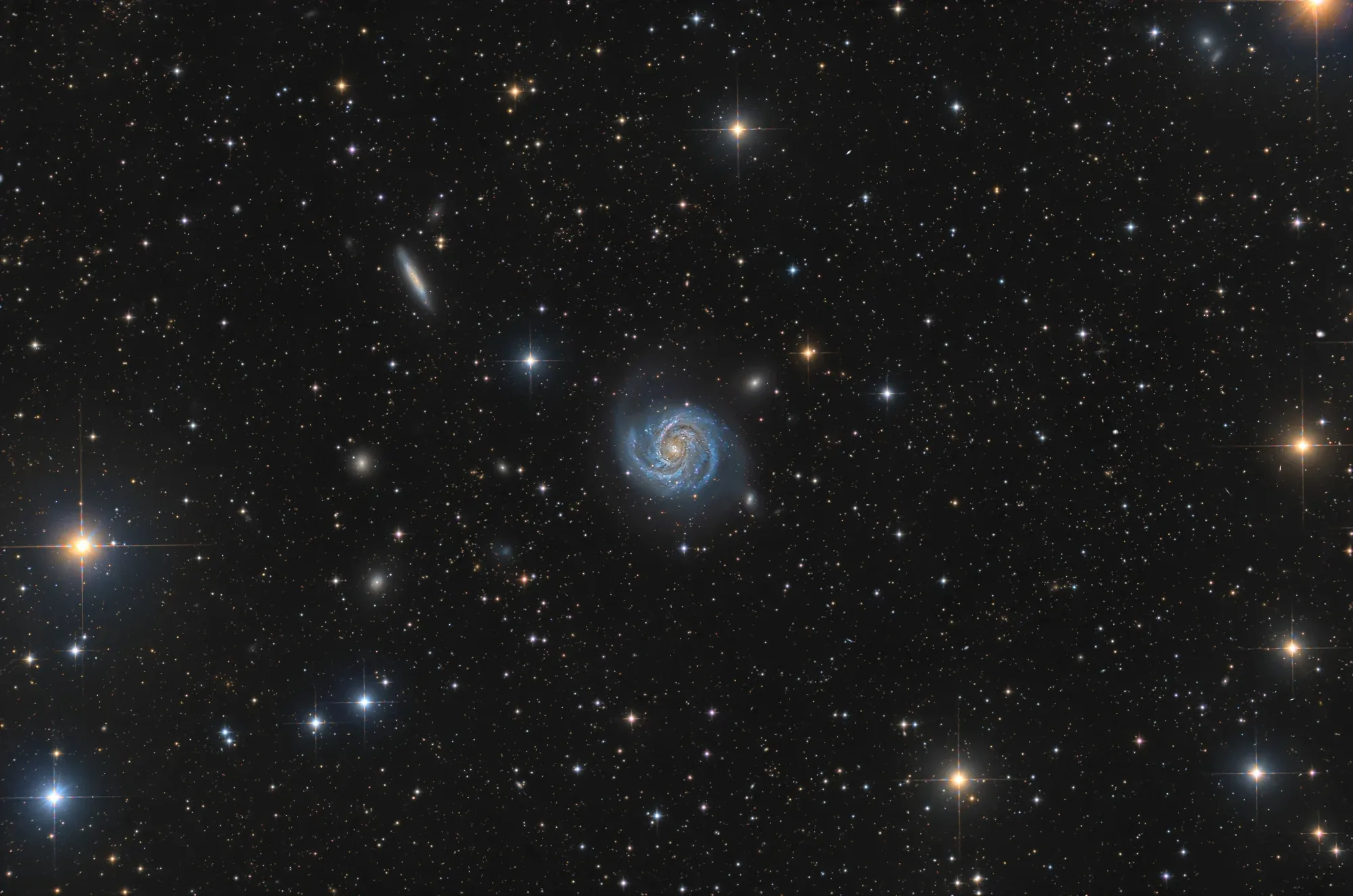
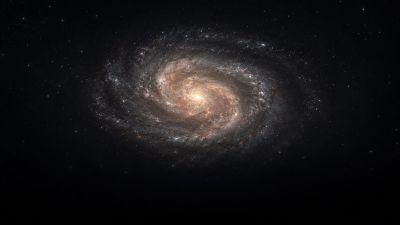
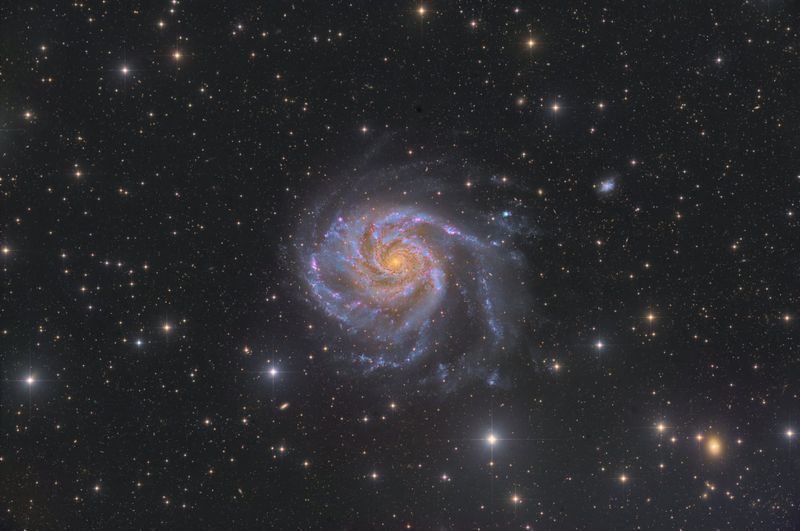
    The M106 Galaxy: A Spiral Galaxy in the Canes Venatici Constellation

    The M106 galaxy, also known as Messier 106 or NGC 4258, is a stunning example of a spiral galaxy located in the Canes Venatici constellation. Discovered by Pierre Méchain in 1781 and later cataloged...

    Latest Blog Entries

    Hubble Sees Swarm of Galaxies

    Description: This NASA Hubble Space Telescope image features the galaxy cluster MACS0329-0211. Photo Link:https://ift.tt/nhKimQf

    Cecilia Payne-Gaposchkin: The Essential 1925 Stellar Breakthrough

    <!-- WORDPRESS INSTRUCTIONS: - Paste this into the WordPress Code Editor or use a Custom HTML block. - Add a Table of Contents block ABOVE the first H2 (use Rank...

    Best Pixel Scale Explainer (arcsec/pixel) — 2026 Beginner’s Guide

    TL;DR — Pixel Scale in Plain English Pixel scale tells you how much of the sky a single camera pixel covers, measured in arcseconds per pixel (″/px).It determines whether your telescope-camera combo captures real astronomical...

    Essential Astrophotography Fundamentals (2025 Beginner’s Guide)

    Astrophotography fundamentals are the core principles that determine image quality when photographing the night sky. This guide breaks down the concepts that actually matter—mount accuracy, image scale, focus tolerance, calibration, and signal-to-noise—so beginners can build a solid foundation and advanced imagers can refine their workflow.

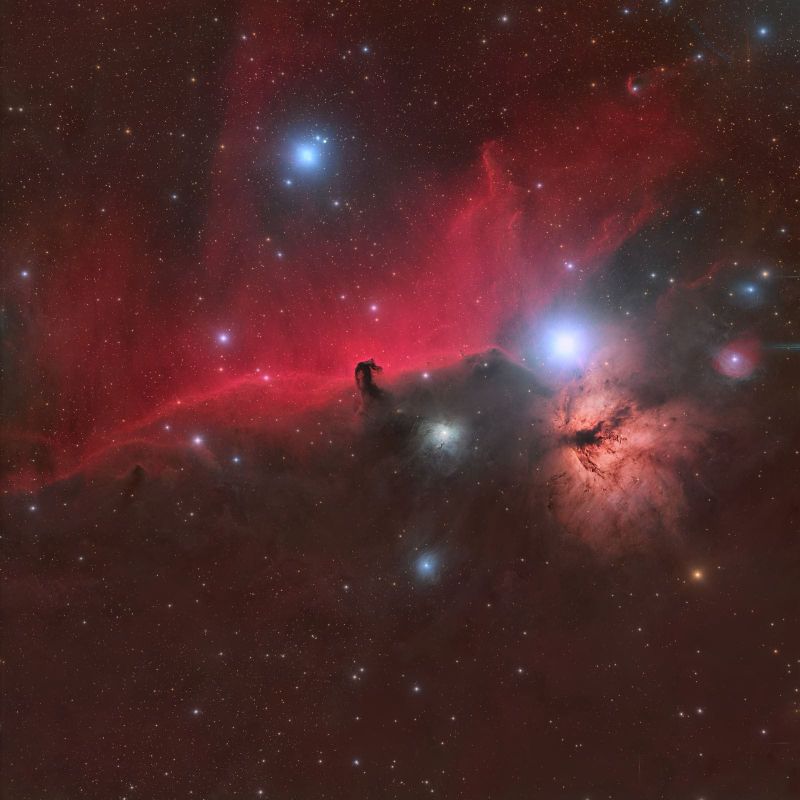
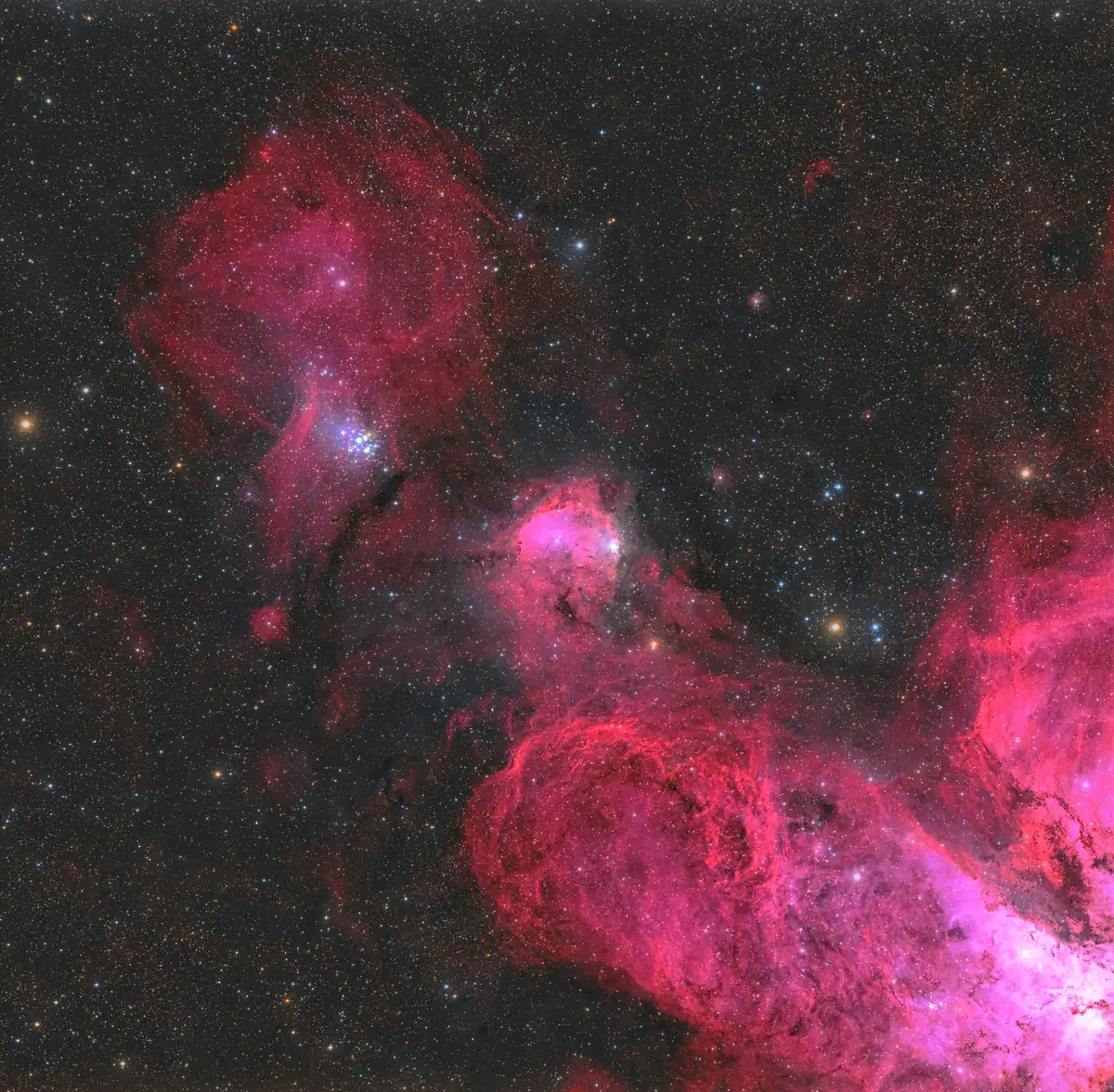
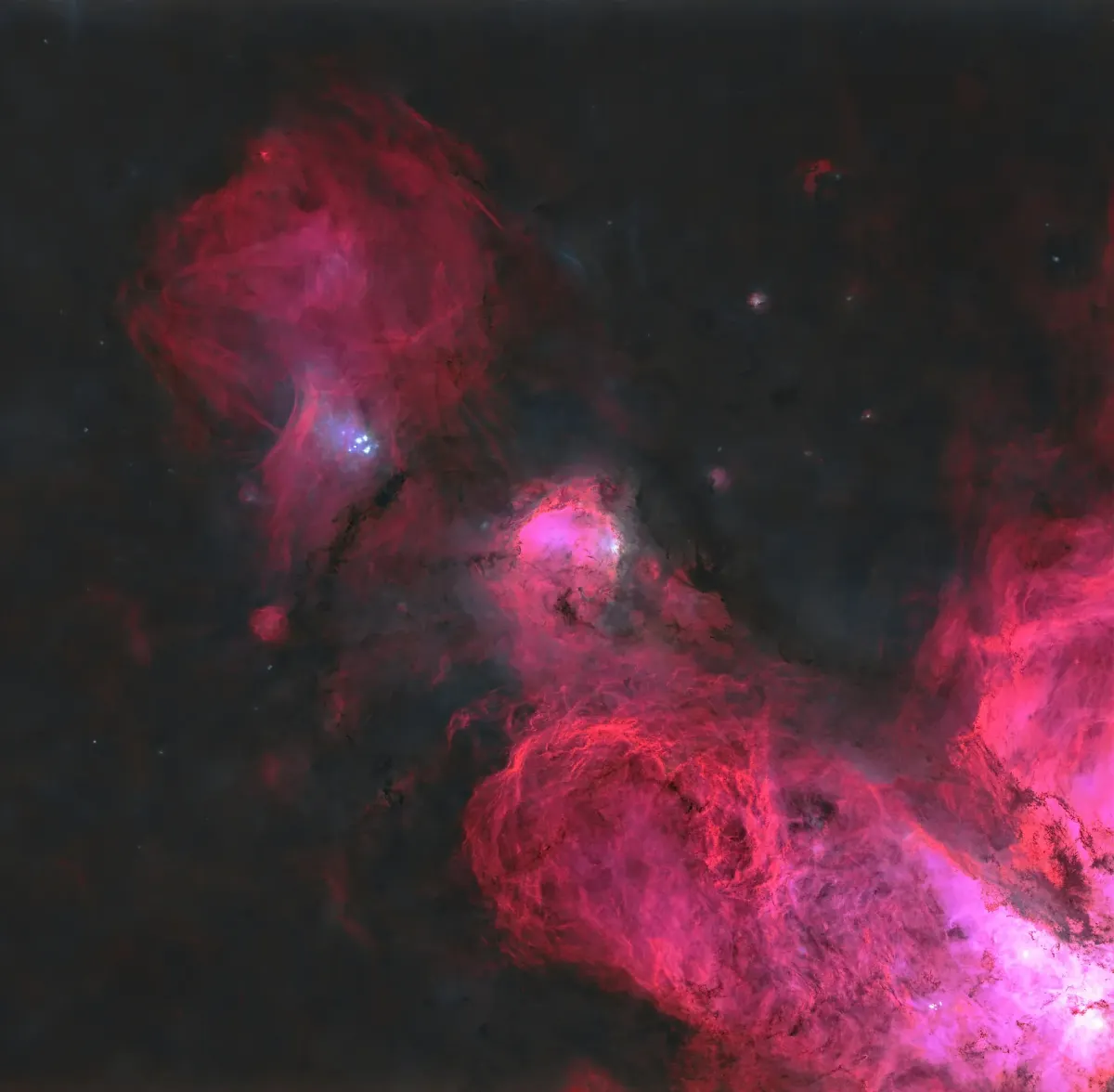
    APOD:The Seagull Nebula

    An interstellar expanse of glowing gas and obscuring dust presents a bird-like visage to astronomers from planet Earth, suggesting its popular moniker, the Seagull Nebula. This broadband portrait of the cosmic bird covers a 3.5-degree wide swath across the plane of the Milky Way, in the direction of Sirius, alpha star of the constellation of the Big Dog (Canis Major). The bright head of the Seagull Nebula is cataloged as IC 2177, a compact, dusty emission and reflection nebula with embedded massive star HD 53367. The larger emission region, encompassing objects with other catalog designations, is Likely part of an extensive shell structure swept up by successive supernova explosions. The notable bluish arc below and right of center is a bow shock from runaway star FN Canis Majoris. Dominated by the reddish glow of atomic hydrogen, this complex of interstellar gas and dust clouds with other stars of the Canis Majoris OB1 association spans over 200 light-years at the Seagull Nebula's estimated 3,800 light-year distance.

    APOD Astronomy Picture of the Day